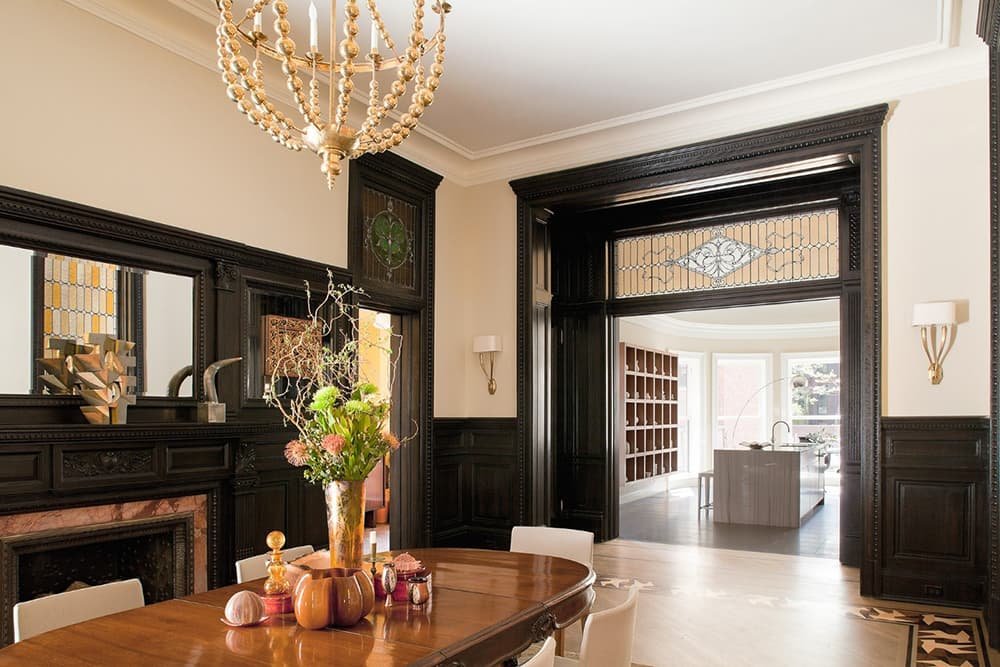
Picture a plain room that suddenly gains style with dark edges framing walls and ceilings. Black molding brings that kind of change to spaces. This post covers black molding from basics to advanced ideas. Readers will learn definitions, different kinds, reasons to choose it, steps for putting it up, care methods, and real examples. Expect practical advice in plain terms to help decide if this fits a project. By the end, ideas for using black molding in rooms will seem clear and doable.
What Is Black Molding?
This section explains the basic idea of black molding and sets it apart from other colors or materials.
Black molding refers to trim pieces painted or made in a dark shade, used to finish edges in buildings or vehicles. Unlike white trim that blends in, this option stands out for contrast. People often pick it for modern looks in houses. Materials include wood, plastic, or foam, each suited to certain spots. It adds definition to walls, doors, and ceilings without much effort. Think of it as a frame that makes a space feel polished.
In history, trim started as functional parts to cover gaps, but now it serves design purposes too. Black versions gained popularity in recent years for bold statements. Designers use them to highlight features like high ceilings or artwork. Unlike lighter shades, dark trim draws eyes to shapes and lines in a room. It works well in both small apartments and large homes, offering flexibility.
Confusion sometimes arises with other terms, but black molding means decorative strips, not anything related to fungi or health issues. Focus stays on aesthetic and practical sides here. Shops sell it in various widths and profiles to match needs.
Why Choose Black Molding?
Here, find out the benefits that make black molding a smart pick for updates.
One big plus comes from the visual impact. Dark trim creates sharp lines against light walls, making rooms appear taller or wider. It suits styles like industrial or minimalist. In a kitchen, black baseboards can tie in with appliances for a cohesive feel. People notice how it transforms bland areas into interesting ones.
Durability plays a role too. Many black moldings use PVC or composite materials that resist moisture and wear. Wood options get painted with tough coats to last longer. This means less need for replacements over time. In busy households, it holds up against bumps and scuffs better than softer alternatives.
Cost stays reasonable for most budgets. Basic strips start at low prices per foot, while fancy profiles cost more. Installation simplicity adds to savings, as many types stick on without tools. Compare that to custom work, and black molding offers value.
It fits eco-friendly choices too. Some brands use recycled plastics or sustainable wood. Look for certifications to ensure green practices. This way, updates support planet-friendly habits.
Types of Black Molding
This part breaks down common varieties to help select the right one.
Crown molding sits at the top where walls meet ceilings. Black crown adds elegance with curves or straight lines. It comes in foam for easy cuts or wood for sturdy feels. Widths range from slim to wide, fitting room sizes.
Baseboards cover the bottom edges of walls. Black versions protect from dirt and add style. They often measure four to six inches tall. Materials like MDF resist warping in damp areas.
Chair rails go midway on walls, originally to guard against furniture marks. Now, black chair rails divide paint colors or add texture. Simple flat designs work for clean looks.
Window and door casings frame openings. Black casings make entrances pop. They match other trim for unity.
T-molding joins floors or counters. In black, it blends with dark surfaces smoothly.
Automotive trim protects car edges. Black molding strips guard against scratches on vehicles.
Materials for Black Molding
Learn about substances used to make black molding and their pros.
Wood provides a classic touch. Pine or oak gets stained or painted black. It feels warm but needs sealing in wet spots.
PVC offers waterproof qualities. Black PVC molding suits bathrooms or outdoors. It cuts easily and stays light.
MDF combines wood fibers for smooth finishes. Black-painted MDF costs less and paints well.
Foam or polystyrene allows quick installs. Peel-and-stick black foam molding sticks without nails.
Rubber or flexible plastics bend around curves. Black rubber molding works for cars or irregular shapes.
Metal like aluminum gives industrial vibes. Black-coated metal molding lasts in high-traffic zones.
Uses in Home Decor
See how black molding applies to different rooms for inspiration.
In living rooms, black crown molding outlines ceilings against white paint. It makes spaces feel grand. Pair with neutral furniture for balance.
Kitchens benefit from black baseboards that match cabinets. It hides gaps and adds modern flair. Easy to clean too.
Bedrooms use black chair rails to separate wallpaper above from paint below. It creates cozy zones.
Bathrooms rely on moisture-resistant around tubs or mirrors. It prevents water damage while looking sleek.
Entryways feature black door casings to welcome guests with style. It sets a tone right at the door.
Offices incorporate black window trim to frame views. It reduces glare and adds professionalism.
Black Molding in Modern Design
This section shows trends where black molding shines.
Contemporary homes favor black trim for contrast. Light walls with dark edges create drama. Architects use it to define open plans.
Farmhouse styles mix black molding with rustic elements. It updates traditional looks without losing charm.
Minimalist approaches keep lines simple in black. Less clutter means trim stands out as art.
Industrial themes pair with exposed bricks. It echoes metal and concrete vibes.
Scandinavian designs add black accents for warmth. It balances light woods and whites.
Bohemian spaces experiment with black molding patterns. It frames eclectic art collections.
Benefits Over Other Colors
Compare black molding to alternatives to see advantages.
White trim blends in, but black defines spaces clearly. It hides dust better than light shades.
Gray offers subtlety, yet black provides stronger impact. Ideal for bold statements.
Wood tones feel natural, but black adds sophistication. It matches more decor items.
Colored options like red stand out, but black remains versatile. It pairs with any palette.
In low-light rooms, black absorbs shadows smoothly. No harsh reflections.
For resale, black molding appeals to trendy buyers. It modernizes without big changes.
Common Mistakes to Avoid
Tips here prevent errors when working with black molding.
Measuring wrong leads to gaps. Always check twice before cutting.
Skipping prep work causes poor adhesion. Clean surfaces first.
Using mismatched styles disrupts flow. Stick to one profile per room.
Ignoring room size makes trim overwhelm small areas. Choose slim for tight spots.
Forgetting tools results in frustration. Gather saws, glue, or nails ahead.
Rushing paint jobs shows streaks. Apply even coats patiently.
Tools Needed for Installation
List essentials for setting up black molding.
A miter saw cuts angles precisely. Hand saws work for small jobs.
Measuring tape ensures accurate lengths. Levels keep lines straight.
Adhesives or nails secure pieces. Caulk fills seams.
Paint brushes touch up edges. Sandpaper smooths cuts.
Safety gear protects eyes and hands. Drop cloths guard floors.
Step-by-Step Installation Guide
Follow these steps for putting up black molding.
Start by planning layout. Mark positions on walls.
Cut pieces to fit, mitering corners at 45 degrees.
Apply adhesive or nail in place. Hold until set.
Fill gaps with caulk, then smooth.
Touch up paint if needed. Clean up debris.
For peel-and-stick, remove backing and press firmly.
Installing Crown Molding
Specific advice for ceiling trim.
Position ladder safely. Measure ceiling runs.
Cut inside and outside corners carefully.
Use coping saw for irregular fits.
Nail into studs for support.
Caulk joints for seamless look.
Paint before install to avoid drips.
Installing Baseboards
Ground-level trim setup details.
Remove old base if present. Clean floor edge.
Measure and cut straight sections first.
Handle corners with miter cuts.
Nail or glue down. Add shoe molding if desired.
Fill nail holes with putty.
Installing Chair Rails
Mid-wall placement instructions.
Determine height, usually 32-36 inches.
Mark level line around room.
Cut and fit pieces.
Secure with nails or adhesive.
Paint wall sections differently above and below.
Maintenance Tips
Keep black molding looking good with these practices.
Dust regularly with soft cloth. Avoid abrasives.
Wipe spills quickly to prevent stains.
Touch up scratches with matching paint.
Check for loose parts yearly. Re-secure as needed.
In humid areas, watch for swelling. Use dehumidifiers.
For outdoor use, seal against weather.
Cleaning Methods
Simple ways to clean black molding.
Use mild soap and water for routine wipes.
Microfiber cloths pick up dirt without scratches.
For tough spots, try vinegar solution.
Avoid harsh chemicals that fade color.
Dry thoroughly after washing.
Steam cleaners work on sealed types.
Repairing Damage
Fix issues like chips or dents.
Fill small holes with wood putty. Sand smooth.
Repaint matched areas carefully.
Replace sections if badly damaged.
For bends, heat flexible types to reshape.
Glue loose ends back in place.
Black Molding in Vehicles
Automotive applications explained.
Car door edges use black molding to protect paint.
Bumpers feature it for impact resistance.
Interior trim adds style to dashboards.
Install with clips or adhesive strips.
It reduces noise and seals gaps.
Custom cuts fit specific models.
Outdoor Uses for Black Molding
Exterior ideas for durability.
Garden beds edge with black PVC molding.
Decks use it for railings.
Windows outside frame with weatherproof types.
It withstands sun and rain.
Easy to hose down.
Enhances curb appeal.
DIY Projects with Black Molding
Creative ideas to try at home.
Frame mirrors with black trim for bathroom updates.
Build picture ledges using chair rail.
Create wainscoting panels.
Accent headboards in bedrooms.
Design custom shelves.
Add borders to tile floors.
Professional vs. DIY Installation
Weigh options for setup.
Pros handle complex angles quickly.
DIY saves money and builds skills.
Tools rental bridges gaps.
Time factors in decisions.
Quality results from practice.
Mix both for big jobs.
Cost Factors
Break down expenses for black molding.
Material prices vary by type: foam cheapest, metal pricier.
Length needed affects total.
Tools add if not owned.
Labor costs for pros.
Sales lower bills.
Bulk buys save.
Where to Buy Black Molding
Sources for purchasing.
Home improvement stores stock basics.
Online shops offer variety.
Specialty trim outlets for custom.
Auto parts places for vehicle types.
Check reviews before buying.
Local mills for wood.
Trends in Black Molding
Current popular directions.
Matte finishes over gloss.
Wider profiles for drama.
Combined with LED lights.
Sustainable materials rise.
Mixed metals with black.
Geometric patterns.
Case Studies
Real examples of black molding use.
A small apartment used black baseboards to make walls seem higher. Owners painted them to match furniture. The change took one weekend.
In a family home, black crown molding defined the dining area. It contrasted cream ceilings perfectly. Guests commented on the elegant feel.
An office renovation added black window trim. It framed city views and reduced distractions. Productivity improved.
A car enthusiast installed black door molding. It protected against dings in parking lots. Easy to replace if scratched.
Outdoor patio got black edging. It kept mulch in place and looked neat.
Kitchen update included black chair rails. It separated backsplash from walls smoothly.
Environmental Impact
Consider eco aspects of black molding.
Recycled PVC reduces waste.
Wood from managed forests sustains resources.
Low-VOC paints limit fumes.
Durable items mean fewer replacements.
Energy-efficient production matters.
Choose brands with green policies.
Safety Considerations
Stay safe during work with black molding.
Wear goggles for cutting.
Use stable ladders.
Handle adhesives in ventilated areas.
Keep kids away from tools.
Follow material guidelines.
Dispose waste properly.
Combining with Other Elements
Pair black molding with decor.
Light walls highlight contrast.
Dark floors create bookends.
Metallic accents add shine.
Textured fabrics soften edges.
Plants bring life.
Art pops against frames.
Customizing Black Molding
Personalize for unique looks.
Paint standard trim black.
Layer profiles for depth.
Add carvings.
Bend for curves.
Mix widths.
Incorporate lights.
Future of Black Molding
Look ahead to developments.
Smart trim with sensors.
3D-printed custom shapes.
New materials for strength.
Color-changing options.
Integration with home tech.
Global styles influence.
Frequently Asked Questions
Answer common queries.
What width works best? Depends on room height.
Can it go in bathrooms? Yes, with waterproof types.
How to remove old trim? Pry carefully.
Does it fade? Quality paint prevents that.
Compatible with wallpaper? Absolutely.
Best for small rooms? Slim profiles.
Conclusion
Black molding offers a simple way to update spaces with style and function. From types and materials to installation and care, this guide covers key points for success. People find it transforms rooms affordably. Consider trying it in one area first to see the effect. With proper choice and setup, it lasts years while enhancing daily life.