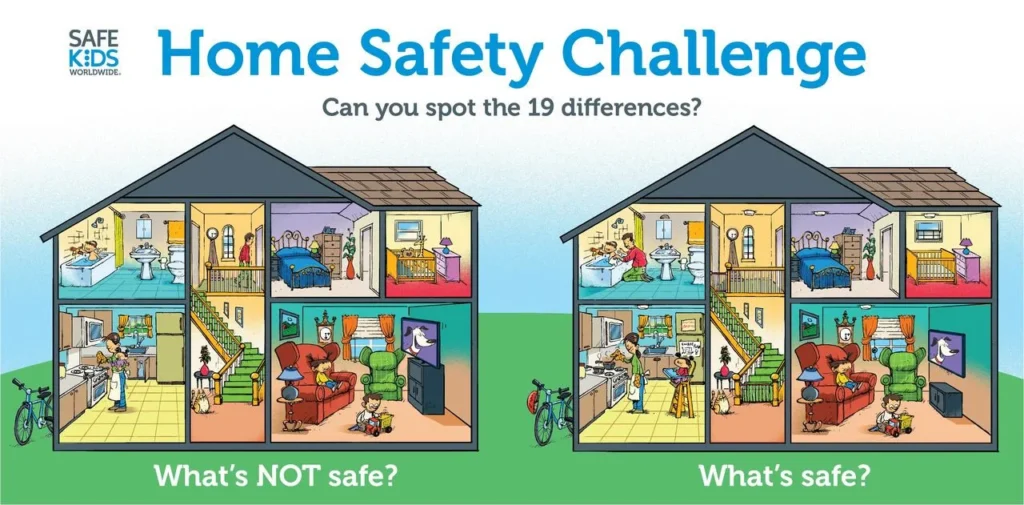
Home Safety is very important for every house. A home should not only look good but also protect the people living in it. Many people ignore safety and focus only on design. This can create problems later.
When you plan properly, you can avoid risks and save money. Simple checks and smart ideas can make your home safe. This guide will help you understand easy Home Safety tips that anyone can follow.
Why Home Safety Should Always Come First
Home Safety should always be your first step before any changes. A house with safety issues can cause accidents at any time. Small problems can turn into big dangers if ignored.
For example, loose wires or weak floors can lead to serious damage. When you fix these early, you avoid stress later. A safe home also gives peace of mind to your family.
Checking Your Home Before Starting Work
Before starting any work, inspect your home carefully. This helps you find hidden issues that need attention. It also makes your work easier and safer.
Check electrical wiring, walls, and ceilings for damage. Look for water leaks under sinks and in bathrooms. These simple checks improve Home Safety and prevent future problems.
Living Room Home Safety Ideas
The living room is used every day, so it must be safe. Start by arranging furniture in a simple way. Leave enough space to walk easily without hitting anything.
Avoid sharp edges near sitting areas to reduce injury risk. Use proper lighting so every corner is visible. Secure rugs to stop them from slipping on the floor.
Kitchen Home Safety Tips
The kitchen is one of the most sensitive areas in a home. Fire and heat make it more dangerous than other rooms. That is why Home Safety is very important here.
Keep flammable items away from the stove at all times. Store knives and sharp tools in safe places. Clean spills quickly to avoid slipping on wet floors.
Bathroom Home Safety Improvements
Bathrooms are often slippery because of water. This makes them risky if proper steps are not taken. Simple changes can improve safety a lot.
Use non-slip mats or tiles on the floor. Install grab bars for extra support near the shower. Make sure there is good ventilation to avoid moisture and mold.
Bedroom Home Safety Ideas
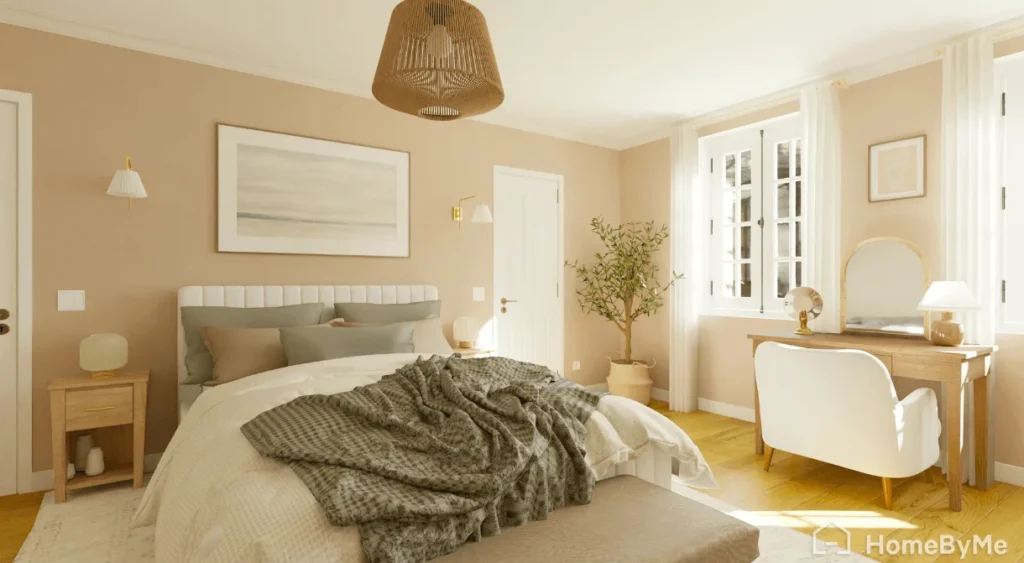
A bedroom should be peaceful and safe for rest. Keeping it clean and simple helps reduce risks. Avoid placing too many items around the bed.
Make sure switches and lights are easy to reach. Keep pathways clear so you can move safely at night. Good airflow also supports better Home Safety.
Electrical Home Safety Essentials
Electricity is useful but can be dangerous if ignored. Regular checks are needed to keep your home safe. Even small faults can cause serious issues.
Replace damaged wires and faulty switches quickly. Do not overload sockets with too many devices. Always turn off power before doing any repair work.
Fire Safety at Home
Fire safety is a key part of Home Safety planning. Fires can start quickly and spread fast if not controlled. It is important to stay prepared.
Install smoke alarms in your home and test them often. Keep a fire extinguisher in the kitchen area. Teach your family basic steps to handle fire emergencies.
Child and Pet Safety at Home
Children and pets need extra care inside the home. They can easily get hurt if safety is ignored. Creating a safe environment is very important.
Cover electrical outlets and keep harmful items locked away. Use safety gates if needed to block risky areas. Always supervise them during risky activities.
Outdoor Home Safety Ideas
Outdoor areas are often ignored but still important. Many accidents happen outside the house. Keeping these areas safe is necessary.
Fix broken paths and steps to prevent falls. Add proper lighting outside for better visibility at night. Store tools safely after use to avoid injuries.
Storage and Organization for Safety
A clean home is always a safer home. Clutter can cause trips and falls easily. Proper storage helps reduce these risks.
Use shelves and cabinets to keep things in place. Do not leave items on the floor unnecessarily. Keep heavy objects on lower shelves for better safety.
Common Home Safety Mistakes
Many people make simple mistakes that affect Home Safety. Ignoring small issues is one of the biggest problems. These mistakes can lead to serious damage later.
Do not skip safety checks before starting any work. Avoid using low-quality materials for repairs. Always take your time and plan each step carefully.
Benefits of Good Home Safety
Good Home Safety improves your daily life in many ways. It protects your family from accidents and injuries. It also saves money on repairs and medical costs.
A safe home feels more comfortable and relaxing. It also increases the value of your property. Buyers always prefer homes that are safe and well-maintained.
Conclusion
Home Safety is not something you should ignore. It is an important part of a happy and comfortable home. Simple steps can make a big difference.
Start with small improvements and check each area carefully. Focus on safety before design to avoid problems. A safe home gives peace of mind and a better life.